AYUDH Organises Large-Scale Native Bee-Flora Planting Drive Across Tamil Nadu for World Environment Day 2026
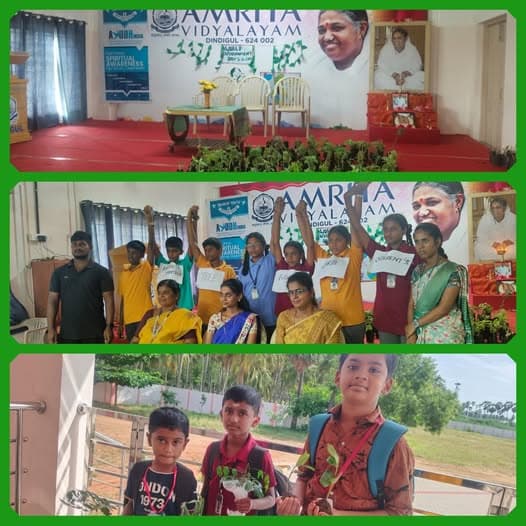
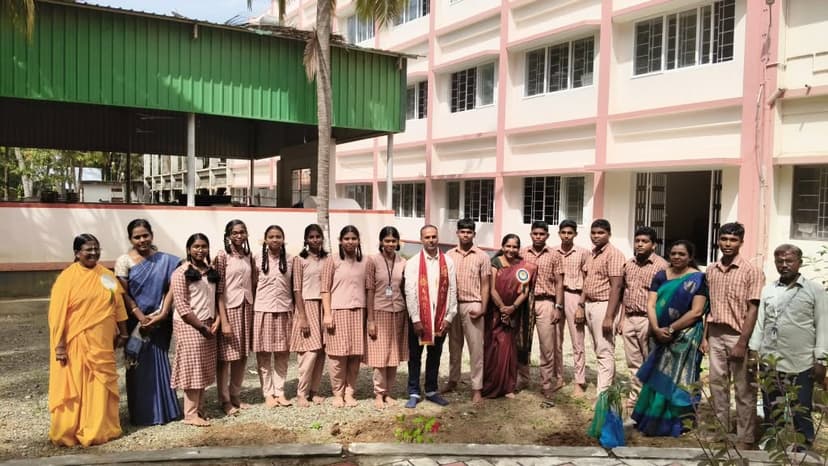
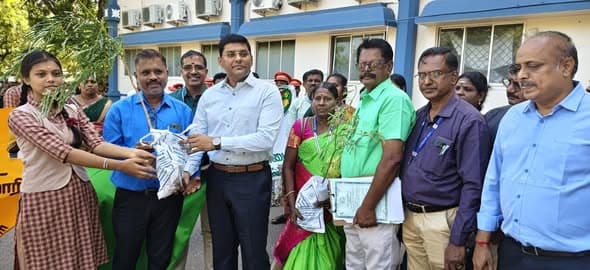
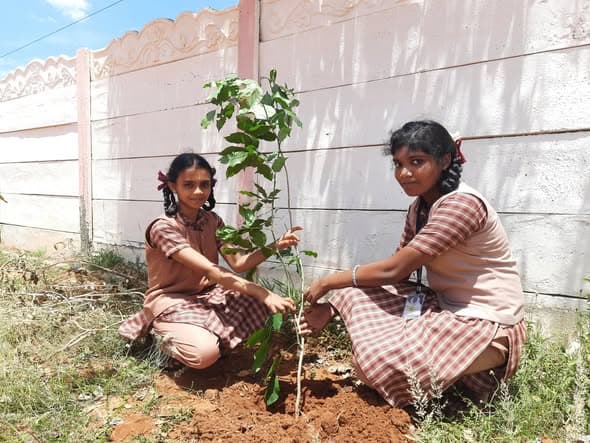
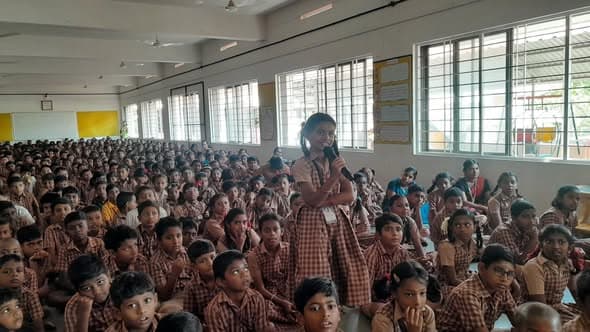
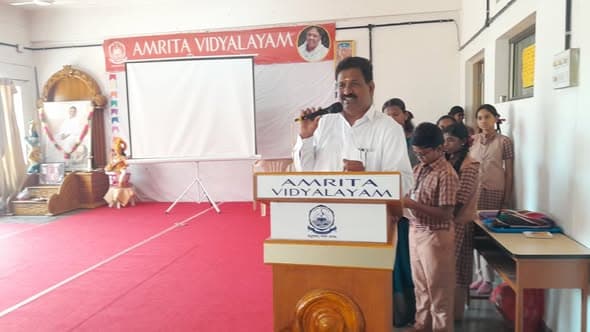
Promoting biodiversity conservation, pollinator protection and youth-led climate action, AYUDH successfully organised a large-scale Native Bee-Flora Planting Drive across 22 Amrita Vidyalayams in Tamil Nadu to commemorate World Environment Day 2026. Conducted under the global campaign theme "Now for Climate," the initiative brought together more than 3,000 student volunteers to expand green cover, support local ecosystems and create sustainable habitats for honeybees, native stingless bees and other pollinators.
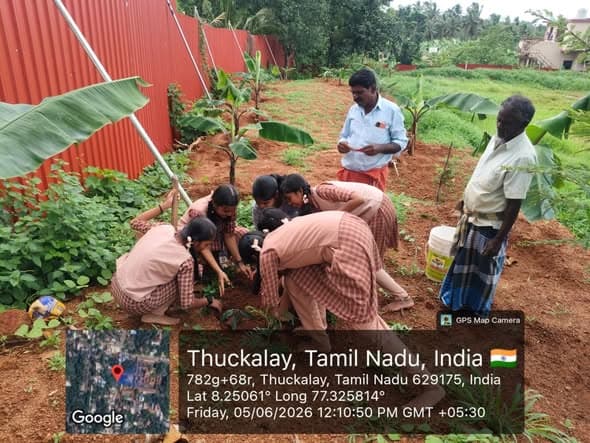
The initiative witnessed enthusiastic participation across several locations, including Dindigul, Kanyakumari, Karur, Tirunelveli, Thoothukudi, Thuckalay, Ettimadai and Nagapattinam. Each participating campus undertook planting activities based on locally suitable plant species and available spaces, with the collective objective of strengthening biodiversity and supporting pollinator populations.
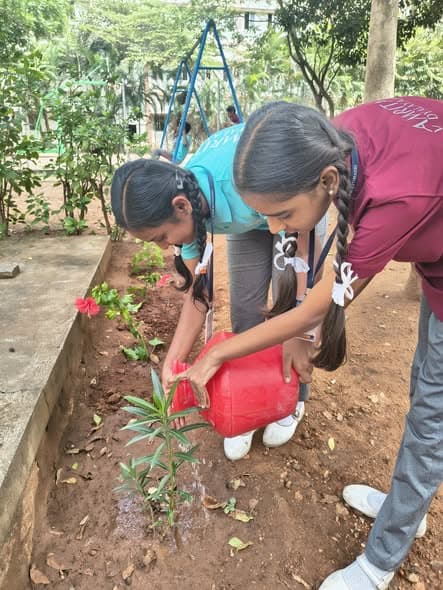
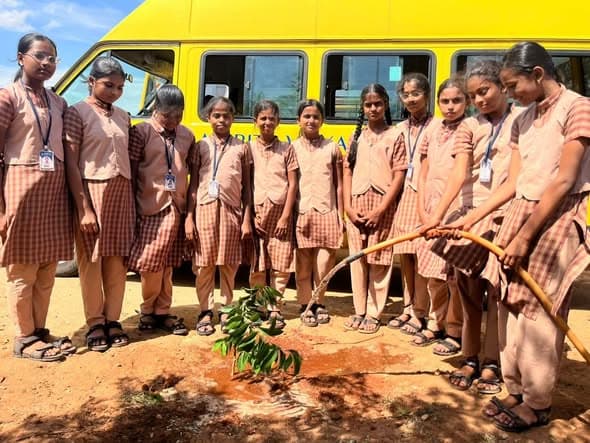
Across these locations, volunteers introduced a diverse range of flowering plants and native tree species, including hibiscus, jasmine, rose, ixora, parijat, champak, oleander, neem, Pungan, Naval, Magilam, holy basil, moringa, mango, coconut, tamarind and banana. These plants play an important role in supporting local ecosystems by providing floral resources, improving green cover and creating habitats for beneficial insects and other organisms. The inclusion of flowering species with different blooming periods also reflects the importance of maintaining a continuous supply of nectar and pollen for pollinators throughout the year.
A significant focus of the initiative was the conservation of honeybees and native stingless bees, which play an essential role in pollination and maintaining ecological balance. By introducing suitable flowering plants and native vegetation, the campaign aimed to strengthen the natural food sources and habitats available to these important pollinators. The initiative also provided students with opportunities for experiential learning, allowing them to understand the relationship between plants, insects, biodiversity and climate resilience beyond the classroom.