AYUDH Chennai Hosts Bee-Cause Webinar to Promote Honey Bee Conservation and Environmental Awareness 2026
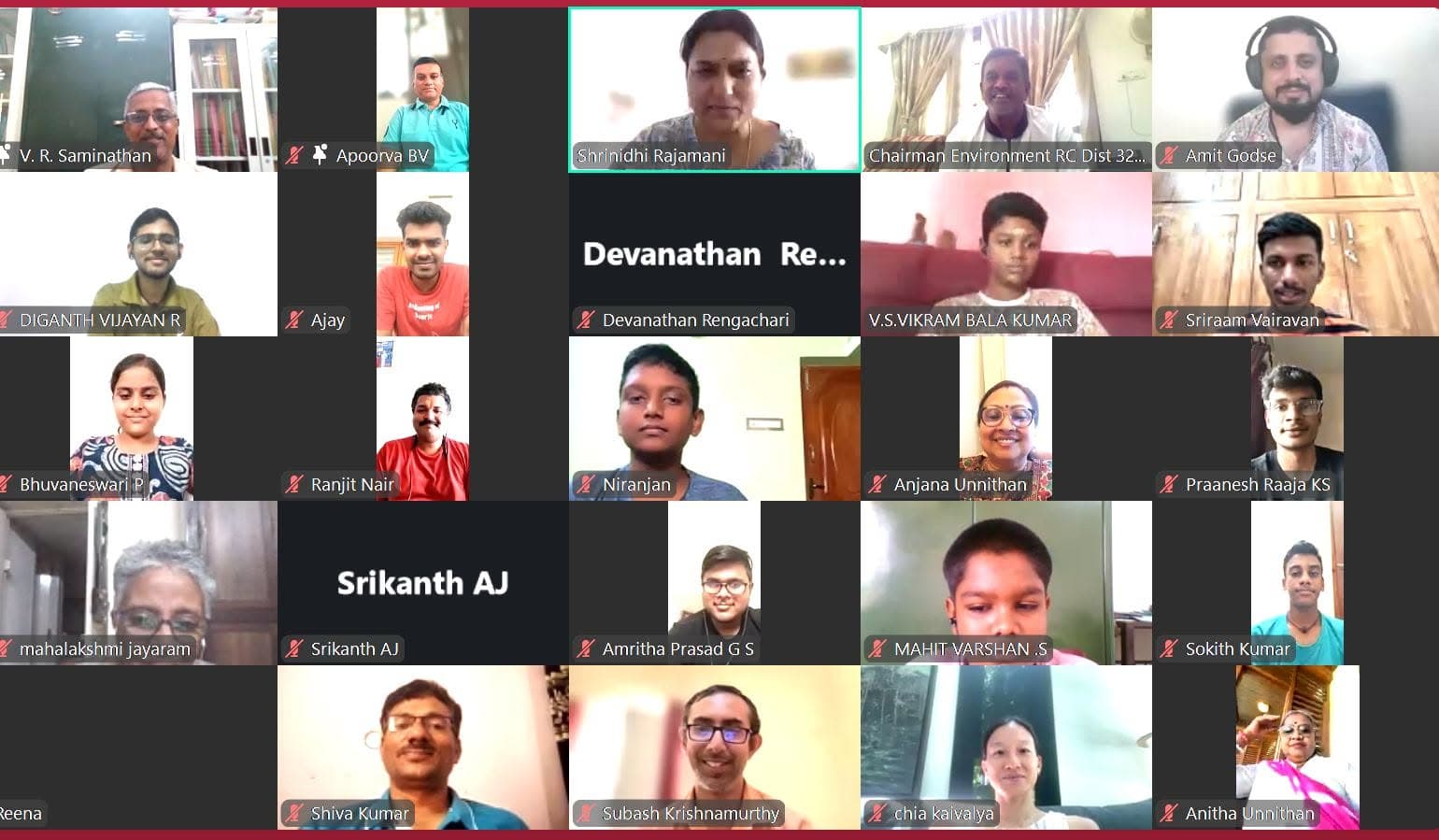
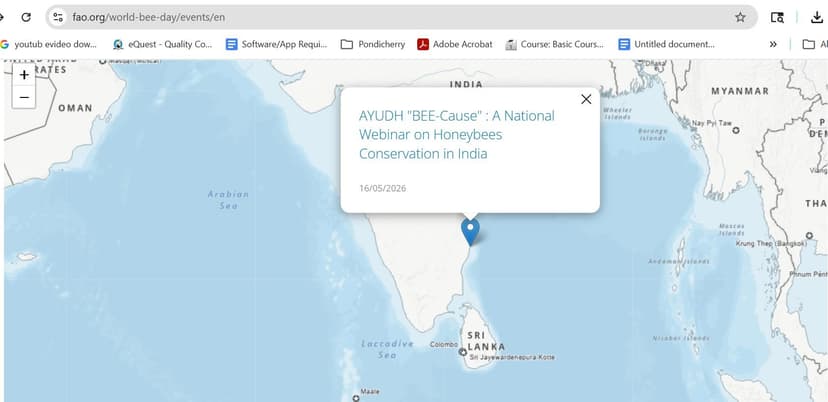
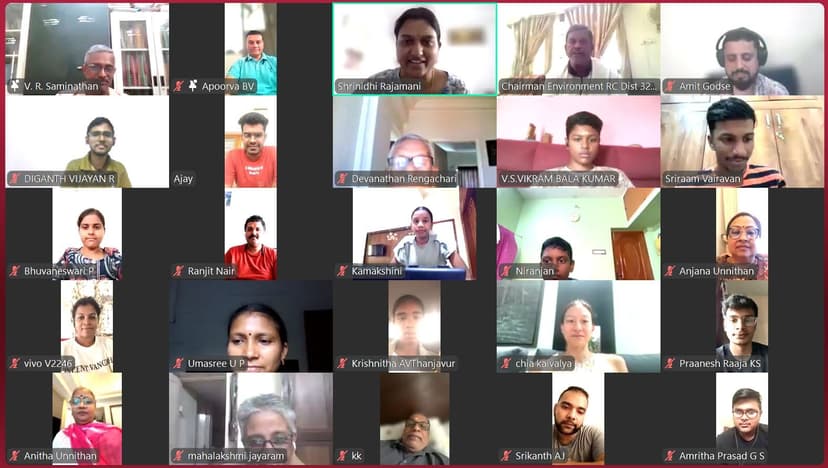
AYUDH Chennai organised the ‘Bee-Cause’ Webinar on Honey Bee Conservation as part of its efforts to promote environmental awareness and encourage active youth participation in biodiversity conservation. Aligned with the Food and Agriculture Organization (FAO) theme, “Bee Together for People and the Planet – A Partnership that Sustains Us All,” the webinar brought together 115 bee enthusiasts from 32 cities across India, with significant participation from Tamil Nadu. The initiative focused on highlighting the importance of honey bees as essential pollinators and their contribution to maintaining ecological balance, supporting biodiversity, and ensuring global food security. The webinar was also featured on the official website of the United Nations Food and Agriculture Organization (UNFAO) as part of its World Bee Day events.
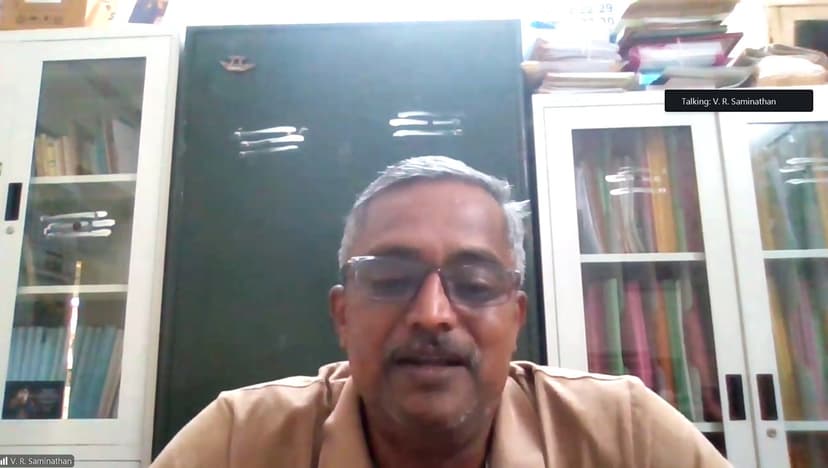
The session featured expert insights from Dr. V. R. Saminathan, Entomologist from Tamil Nadu Agricultural University, who explained the possibilities of urban beekeeping and its relevance to sustainable living. He highlighted how honey bee species such as Apis cerana indica can be reared even in limited spaces, making beekeeping a feasible environmental initiative for urban households and institutions. He also discussed the medicinal value of bee products and shared important information about the proper handling of honey.
Another key speaker, Mr. Apoorva BV, a bee conservationist from Bengaluru, addressed common misconceptions surrounding honey bees and emphasised the importance of protecting wild bee colonies. He encouraged participants not to disturb bee colonies found in balconies, residential buildings, or other urban spaces and advised seeking assistance from trained beekeepers for their safe relocation.
The webinar also explored practical approaches to strengthening bee conservation efforts at the community level. Participants were encouraged to establish beehives in schools, colleges, factories, and other institutions through eco-clubs and green clubs. The speakers highlighted the importance of cultivating native, bee-friendly flowering plants in home gardens and institutional campuses to create supportive habitats for pollinators. Information about initiatives such as the proposed bee corridors along national highways was also shared, introducing participants to broader efforts aimed at protecting pollinator populations.
The programme witnessed participation from school and college students, including members of Amrita Vidyalayams and Tamil Nadu campuses of Amrita Vishwa Vidyapeetham, alongside working professionals, corporate representatives, NGO leaders, environmental enthusiasts, and consultants. The interactive discussions provided participants with scientific insights into honey bees, their behaviour, and their ecological significance.
Coordinated by Ms. Srinidhi and a team of AYUDH Chennai volunteers, with the support of Bri. Vagishamrita Chaitanya, Coordinator, Office of Youth Empowerment, Amrita Vishwa Vidyapeetham, Amritapuri Campus, the webinar created an engaging platform for learning and environmental dialogue.
Participants shared positive reflections on the knowledge gained during the session. Pabbathi Nikhil from Chennai expressed a better understanding of the significant role bees play in society, while other participants highlighted their newfound awareness of the benefits of beekeeping, bee behaviour, and the scientific aspects of pollination.
Through the Bee-Cause Webinar, AYUDH Chennai reinforced the importance of honey bee conservation and community-led environmental action. By bringing together experts, students, and environmental enthusiasts, the initiative encouraged participants to recognise the importance of pollinators and adopt practical conservation measures in their everyday surroundings. The programme reflected AYUDH Chennai's continued commitment to environmental education, biodiversity protection, and inspiring young people to become responsible stewards of the planet.